
A Deep Dive into the IESE–STI Conference on Polarization
This article synthesizes the key insights from the international conference “From Polarization to Understanding: Bridging Divides in Business and Society,”

This article synthesizes the key insights from the international conference “From Polarization to Understanding: Bridging Divides in Business and Society,”
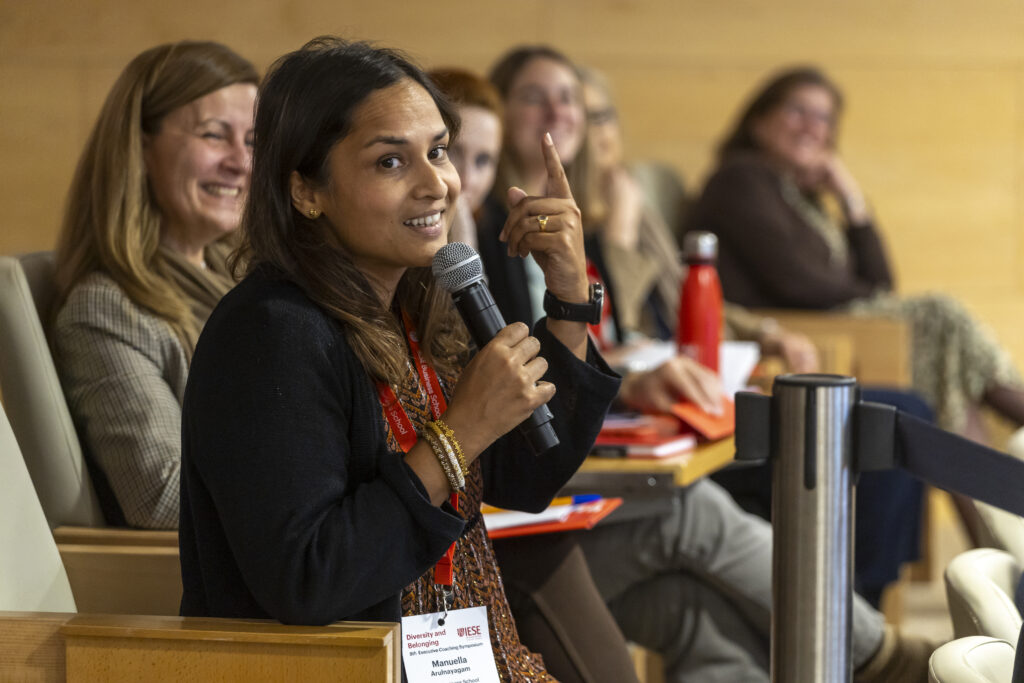
This project explores the role of inclusion in modern marketing strategies and examines its broader impact on both consumers and

The study, funded by the Social Trends Institute, analyzes 40 million transaction records from the Bank of England between 1694
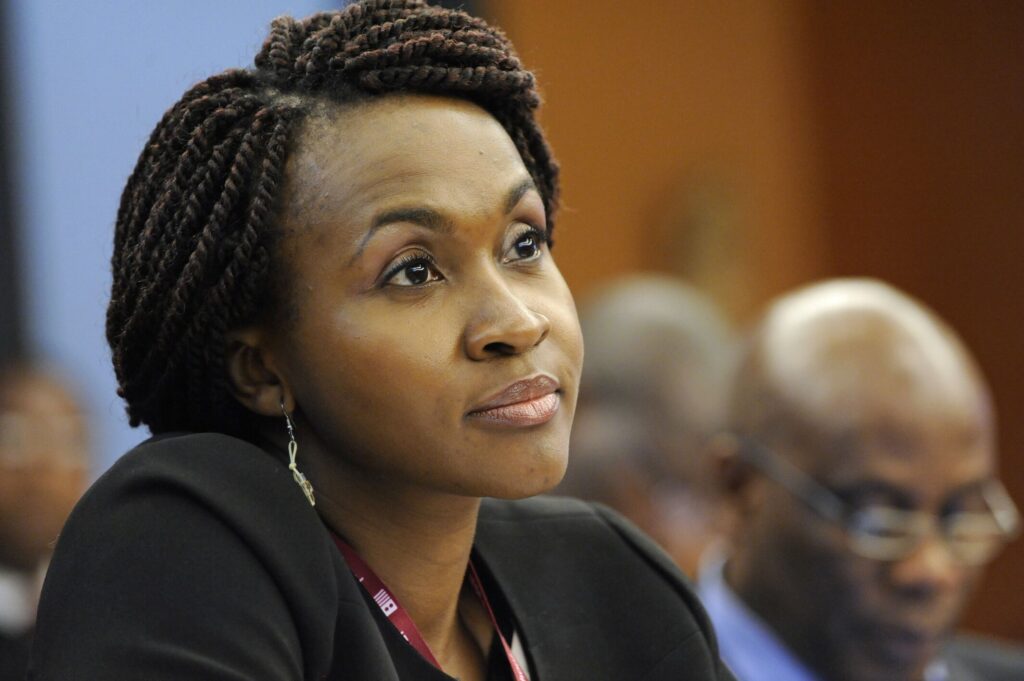
IESE Business School leads a pioneering study on impact investing in Africa, exploring how sustainable capital drives economic growth, gender

IESE New York hosted the “Bridging Divides in Business & Society” conference in collaboration with the Social Trends Institute. The
His work bridges academic rigor with real-world impact, tackling key challenges in employee well-being, remote work, and sustainable governance in

Intercultural mediation can improve social dynamics outcomes even in situations of conflict.
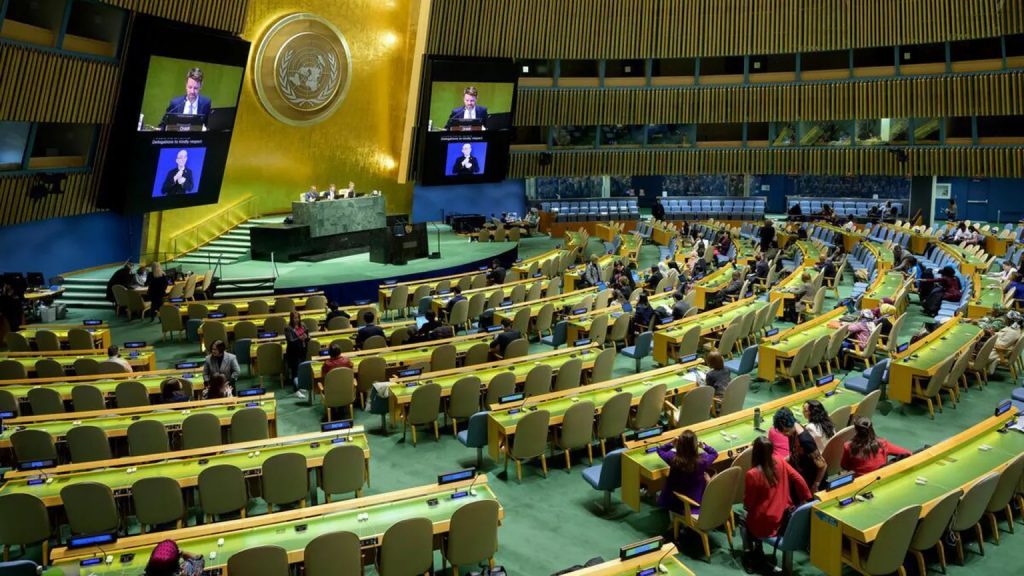
The March 2023 gathering of Commission on the Status of Women (CSW67) —the UN’s largest annual gathering on gender equality,

Professor María Luengo explains in this STI interview her new project: “Digi_morals: Moral Disagreements in the Digital Sphere. Interactive Dynamics,
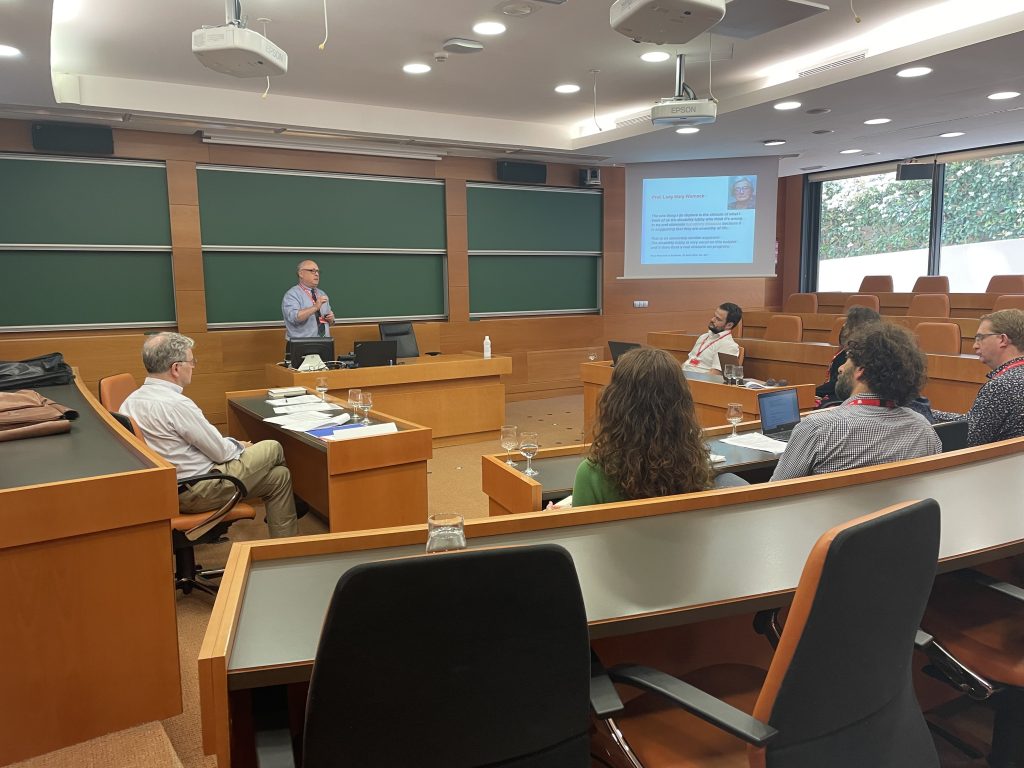
Heritable genome editing is gaining support as a morally acceptable practice when it complies with certain caveats. Nevertheless, heritable genome
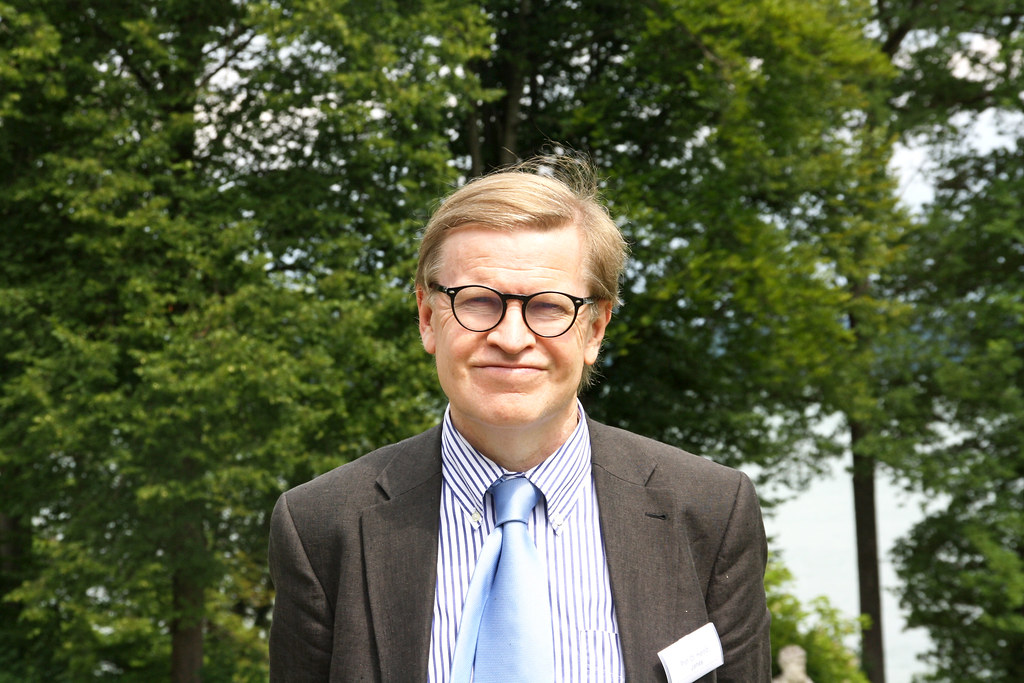
Both current challenges and the past failures of economic planning suggest that we need more market pricing, more globalization, and

In the subsidized world of the academic-philanthropic-cultural complex, relevance is increasingly valued over excellence, says writer and journalist David Rieff.

A new study identifies a cohort of young people who are especially vulnerable to the potential negative effects of high
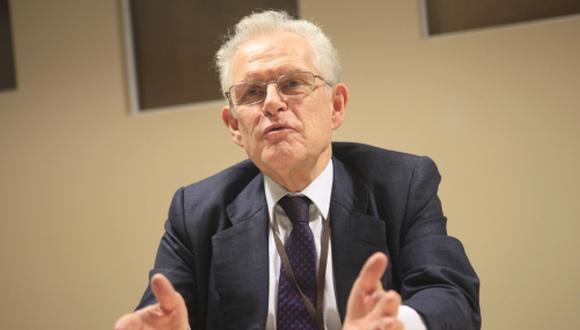
STI shares with the Home Renaissance Foundation a commitment to fostering understanding of and consideration for the home as a

Recent data reveal that processes of sorting people into different types of jobs account for substantially less of the gender
Undaunted by the lingering effects of Covid-19, STI forged ahead to foster understanding of global social trends through academic meetings,
The main difficulty facing large technology companies is the lack of adequate corporate governance, argues Jordi Canals, president of the
Public trust in the media, as well as in institutions, political parties and corporations, has crumbled like a house of
Political economist Samuel Gregg summarizes in this interview with STI the arguments of his latest publication. The book explores and

The movement to uphold the conscientious practice of medicine is a struggle for the soul of the profession, reflects bioethicist
There is a male paradigm shift in the workplace: more and more men are interested in reconciling work and family
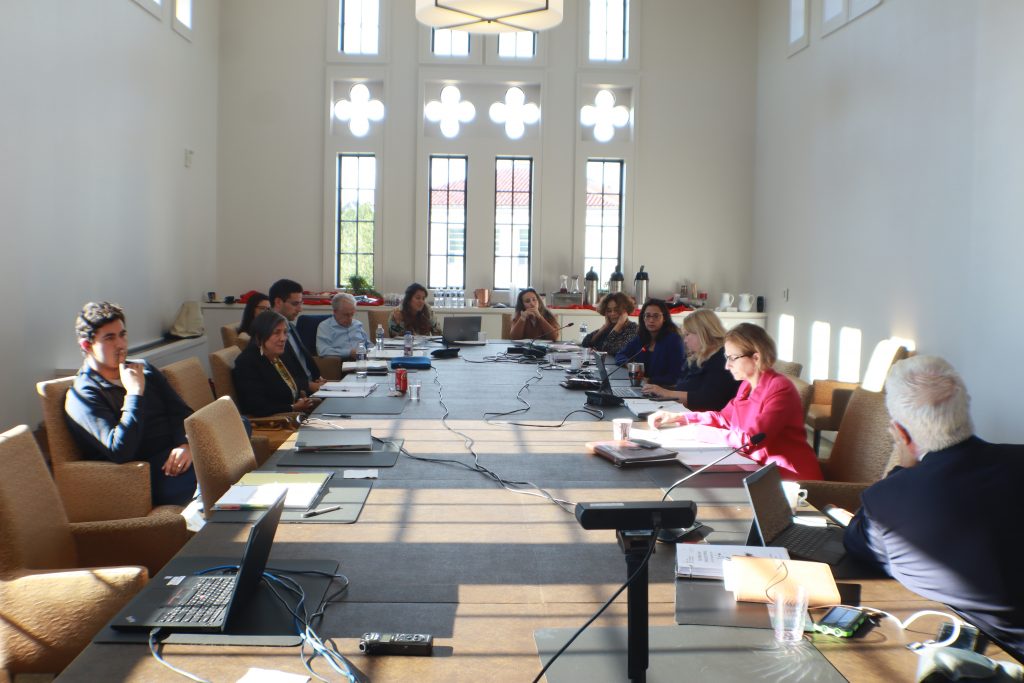
Scholars and practitioners urge society and its civil and governmental institutions to rethink surging global migration on broader human terms
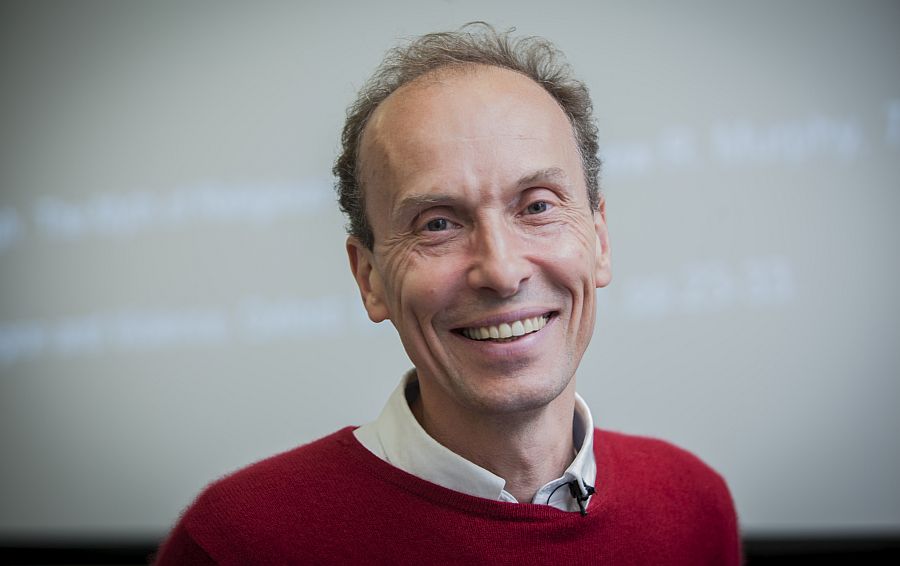
STI asked friend and collaborating expert Professor Jolyon Mitchell to expand on the arguments in his co-edited volume Peacebuilding and
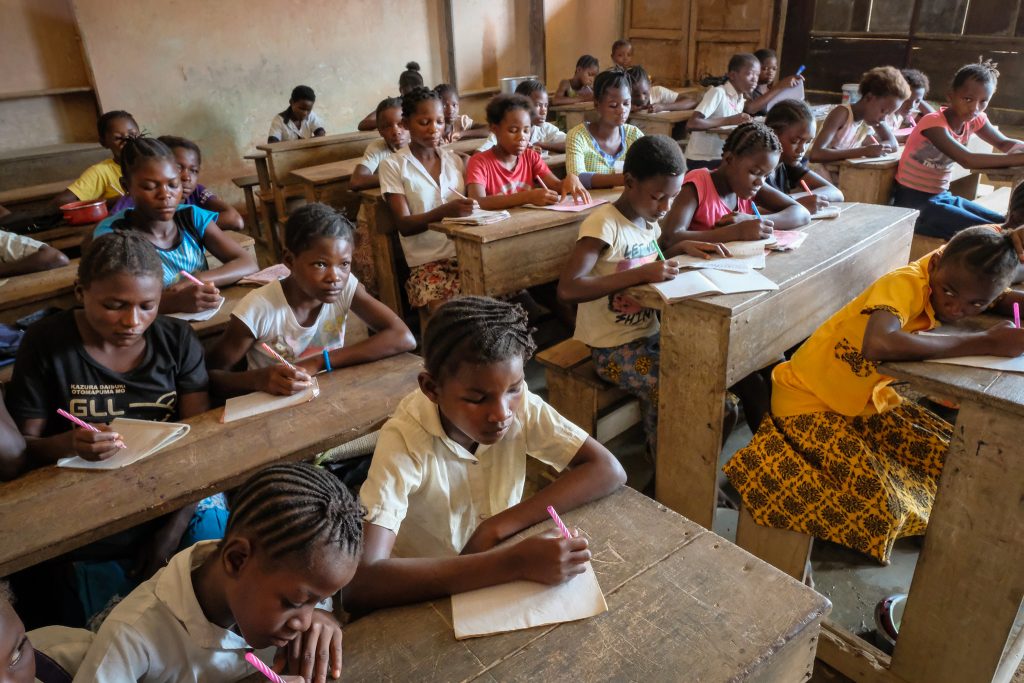
At a time when investing in children should be an urgent priority, many developing-country governments have had to cut their